
Chiropractic Adjustments vs. Spinal Decompression: What's the Difference?
Chiropractic Adjustments vs. Spinal Decompression: What's the Difference?
If you're dealing with ongoing back pain, neck discomfort, or symptoms related to a spinal disc problem, you may have come across two treatment options: chiropractic adjustments and spinal decompression.
Although both are used in chiropractic settings, they work differently and may be recommended for different reasons.
Chiropractic adjustments involve applying controlled force to specific joints, while non-surgical spinal decompression uses a specialized table to apply controlled traction to the spine.
Understanding the differences can help you ask better questions and make informed decisions about your care.
At New Leaf Chiropractic in Lutz, Florida, Dr. Sam Schepart offers chiropractic care and spinal decompression as part of an individualized approach to evaluating spinal and musculoskeletal concerns.
Here's what you should know about these two treatment options.
What Is a Chiropractic Adjustment?
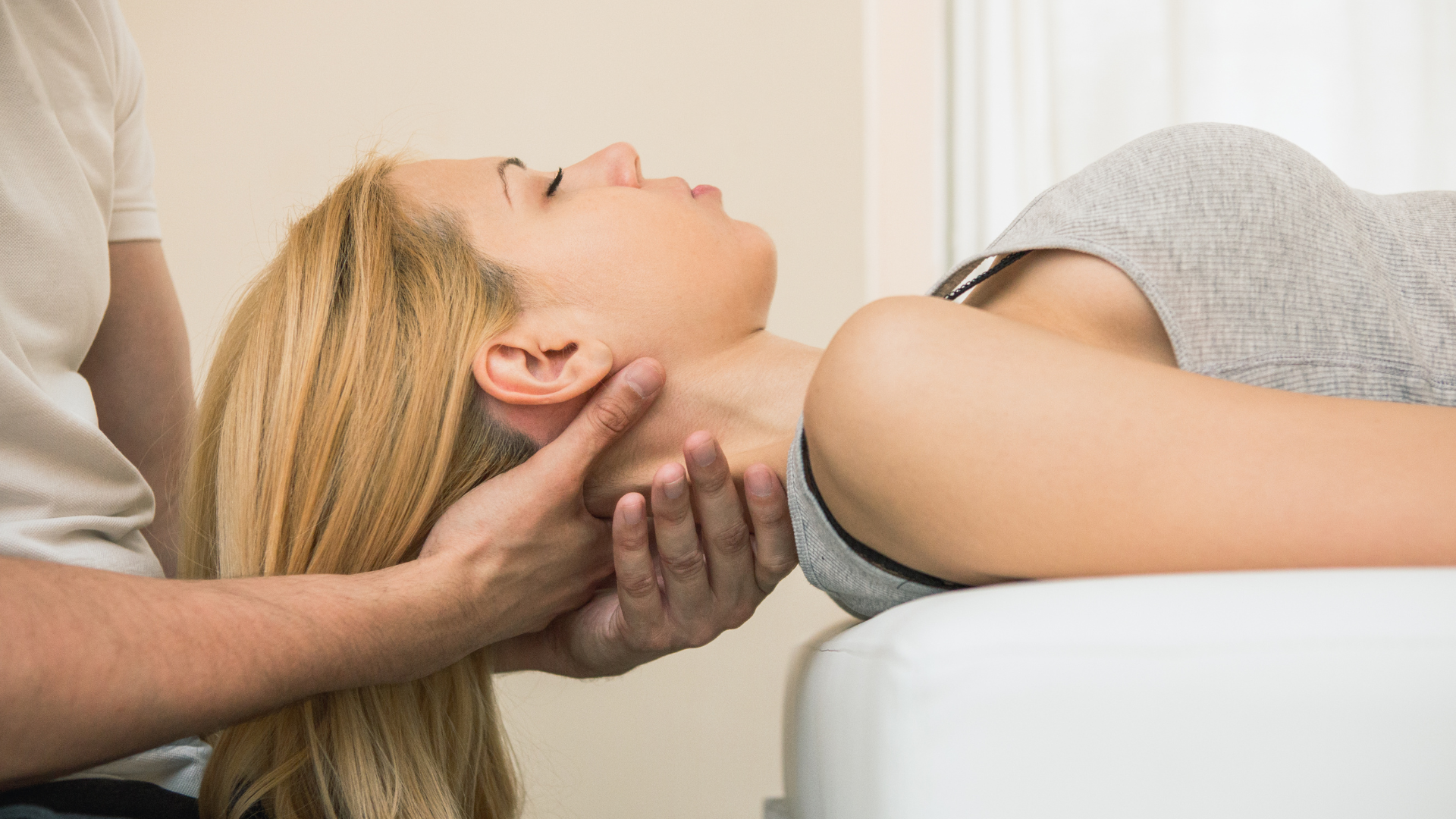
A chiropractic adjustment, also called spinal manipulation, is a hands-on or instrument-assisted technique used to apply controlled force to a joint.
Adjustments are commonly performed on the spine, although other joints may also be treated.
The goal is generally to improve joint movement and address certain musculoskeletal symptoms.
Depending on the technique, a patient may hear a popping or cracking sound during an adjustment.
This sound is typically associated with changes in gas pressure within the joint and does not necessarily indicate whether the treatment was successful.
What Conditions Are Chiropractic Adjustments Used For?
Chiropractic adjustments may be considered as part of conservative care for certain conditions, including:
- Some types of lower back pain
- Certain mechanical neck pain conditions
- Joint stiffness
- Restricted spinal movement
- Some musculoskeletal discomfort
The suitability of spinal manipulation depends on the patient's symptoms, medical history, examination findings, and risk factors.
Spinal manipulation is not appropriate for every patient or condition.
What Is Non-Surgical Spinal Decompression?
Non-surgical spinal decompression is a treatment that uses a motorized table or traction system to apply controlled pulling forces to the spine.
Patients are typically positioned on a specialized table while a harness or other support system helps deliver the traction.
The treatment is intended to reduce mechanical loading on certain spinal structures.
Spinal decompression is often marketed for disc-related conditions, although the quality of clinical evidence supporting specific benefits varies.
It is important to distinguish non-surgical decompression from surgical spinal decompression, which involves an operation to relieve pressure on nerves or other structures.
What Conditions Is Spinal Decompression Used For?
Non-surgical spinal decompression may be considered for patients with certain spinal complaints, such as:
- Disc-related lower back pain
- Some cases of radiating leg discomfort
- Certain neck and back conditions
- Symptoms associated with some degenerative spinal changes
However, traction-based treatments do not consistently outperform other conservative treatments in clinical research, and they are not appropriate for every disc or nerve condition.
A thorough evaluation is necessary before deciding whether decompression is a reasonable option.
Chiropractic Adjustments vs. Spinal Decompression: Key Differences
Although both treatments involve the spine, their methods are quite different.
FeatureChiropractic AdjustmentsSpinal DecompressionTreatment methodControlled force applied to jointsMechanical traction applied to the spineEquipmentHands or specialized instrumentsMotorized traction or decompression tablePrimary focusJoint movement and musculoskeletal symptomsMechanical loading of spinal structuresTreatment experienceBrief adjustments during a visitSustained or intermittent traction during a sessionCommon applicationsCertain back and neck pain conditionsSelected spinal or disc-related complaintsSuitabilityDepends on diagnosis and risk factorsDepends on diagnosis and contraindications
Neither treatment is automatically better for every patient.
The most appropriate approach depends on the underlying problem, treatment goals, and available clinical evidence.
Which Is Better for Lower Back Pain?
For many people with uncomplicated lower back pain, conservative treatment may include education, maintaining appropriate activity, exercise, and other non-surgical approaches.
Spinal manipulation may provide modest improvements in pain or function for some patients.
Mechanical traction and non-surgical decompression have less consistent evidence of benefit, particularly for routine lower back pain.
If your symptoms involve a suspected disc problem or nerve irritation, the treatment decision may require additional evaluation.
Rather than choosing a treatment based only on the location of your pain, it's important to understand what may be causing the symptoms.
Can Spinal Decompression Help With a Herniated Disc?
A herniated disc occurs when part of an intervertebral disc extends beyond its usual boundaries.
Some herniated discs can irritate or compress nearby nerves, potentially causing pain, numbness, tingling, or weakness.
Non-surgical spinal decompression is sometimes offered to patients with disc-related symptoms.
However, evidence that it reliably corrects disc herniation or provides lasting relief beyond other conservative treatments is limited.
Many people with herniated discs improve over time with appropriate non-surgical management.
Treatment options may include physical therapy, exercise-based rehabilitation, medication when appropriate, and other interventions based on the patient's condition.
If symptoms include progressive weakness, significant neurological changes, or other concerning findings, prompt medical evaluation is important.
Can Chiropractic Adjustments and Spinal Decompression Be Used Together?
In some clinical settings, chiropractic adjustments and traction-based treatments may be included in the same care plan.
However, combining treatments does not automatically produce better results.
The decision should be based on the patient's diagnosis, clinical findings, preferences, and response to care.
An individualized treatment plan may also include therapeutic exercise, education, and strategies to improve movement and daily function.
What Does a Spinal Decompression Session Feel Like?
During a non-surgical decompression session, the patient generally lies on a specialized treatment table.
A harness or support system may be used to apply controlled traction.
Patients may feel a gentle pulling or stretching sensation.
Treatment settings vary depending on the equipment, spinal region being treated, and individual clinical considerations.
Spinal decompression should not be assumed to be painless for everyone.
If treatment increases pain, causes new neurological symptoms, or produces significant discomfort, the session should be stopped and reassessed.
Are Chiropractic Adjustments Safe?
Spinal manipulation is generally associated with temporary side effects such as soreness, stiffness, or discomfort.
More serious complications are uncommon but can occur.
Certain conditions, including significant osteoporosis, spinal instability, some fractures, or particular neurological or vascular concerns, may make specific manipulation techniques inappropriate.
Neck manipulation requires particular attention to potential vascular risks, including the rare but serious association with cervical artery dissection and stroke.
A chiropractor should review your medical history, symptoms, and relevant risk factors before recommending treatment.
Patients should be informed about expected benefits, uncertainties, alternatives, and potential risks.
Is Non-Surgical Spinal Decompression Safe?
Traction-based treatments are not appropriate for every patient.
Depending on the condition and equipment, contraindications or precautions may include:
- Certain spinal fractures
- Spinal instability
- Some forms of severe osteoporosis
- Certain spinal tumors or infections
- Some postoperative spinal conditions
- Pregnancy, depending on the treatment system and positioning
- Conditions that worsen with traction
The presence of a spinal implant or previous surgery may also require special evaluation.
A qualified clinician should determine whether the treatment is appropriate before beginning.
When Should You See a Chiropractor for Back or Neck Pain?
Consider scheduling an evaluation if you're experiencing persistent or recurring musculoskeletal discomfort that affects your daily activities.
A clinical assessment can help identify whether conservative care is appropriate or whether further medical evaluation is needed.
However, certain symptoms require more urgent attention.
Seek immediate medical care for back pain accompanied by new bowel or bladder dysfunction, numbness around the groin or saddle area, or rapidly progressive leg weakness.
Sudden severe neck pain or headache accompanied by neurological symptoms such as facial drooping, speech difficulty, vision changes, or weakness also requires emergency evaluation.
These symptoms should not be managed through routine chiropractic treatment.
How Does Chiropractic BioPhysics Fit Into Treatment?
Chiropractic BioPhysics, often abbreviated CBP, is an approach that incorporates spinal alignment assessment, corrective exercises, and traction-based techniques.
Some practitioners use this approach when evaluating posture and spinal curvature.
However, changes in spinal alignment measurements do not necessarily establish improvements in pain, function, or long-term health outcomes.
Treatment decisions should focus on clinically meaningful goals, including symptoms, mobility, daily activities, and functional improvement.
At New Leaf Chiropractic, Dr. Sam Schepart incorporates Chiropractic BioPhysics principles alongside other chiropractic services.
Frequently Asked Questions
Is spinal decompression the same as a chiropractic adjustment?
No. Chiropractic adjustments involve controlled force applied to joints, while non-surgical spinal decompression uses mechanical traction to apply pulling forces to the spine.
Is spinal decompression better than chiropractic care for a herniated disc?
Not necessarily. Evidence for non-surgical decompression is limited, and the most appropriate treatment depends on the patient's symptoms, examination findings, and diagnosis.
Does spinal decompression permanently fix a bulging disc?
There is insufficient evidence to conclude that non-surgical spinal decompression permanently corrects a bulging disc.
Can chiropractic adjustments help with lower back pain?
Spinal manipulation may provide modest improvements in pain and function for some people with lower back pain. Results vary, and it is one of several conservative treatment options.
How many spinal decompression sessions will I need?
There is no universally established number of sessions. Treatment decisions should depend on the clinical evaluation, goals, response, and whether continued treatment is providing meaningful benefit.
Do I need an MRI before spinal decompression?
Not everyone requires an MRI. Imaging decisions depend on symptoms, examination findings, medical history, and whether the results would change treatment.
Can I receive chiropractic care if I have a herniated disc?
Some patients with disc-related symptoms may be candidates for selected conservative treatments, but certain techniques may be inappropriate. A clinical evaluation is necessary.
Chiropractic Care and Spinal Decompression in Lutz, FL
Understanding the difference between chiropractic adjustments and spinal decompression can help you make more informed decisions about your spinal health.
At New Leaf Chiropractic in Lutz, Florida, Dr. Sam Schepart offers chiropractic adjustments, spinal decompression, therapeutic exercises, and other services intended to address musculoskeletal concerns.
Whether you're experiencing recurring back discomfort, neck stiffness, or symptoms that may involve a spinal disc, the first step is an appropriate evaluation.
New Leaf Chiropractic serves patients in Lutz, Land O' Lakes, Wesley Chapel, Odessa, and surrounding communities.
Interested in learning which treatment options may be appropriate for you? Contact New Leaf Chiropractic to schedule a consultation and discuss your symptoms and care goals.